
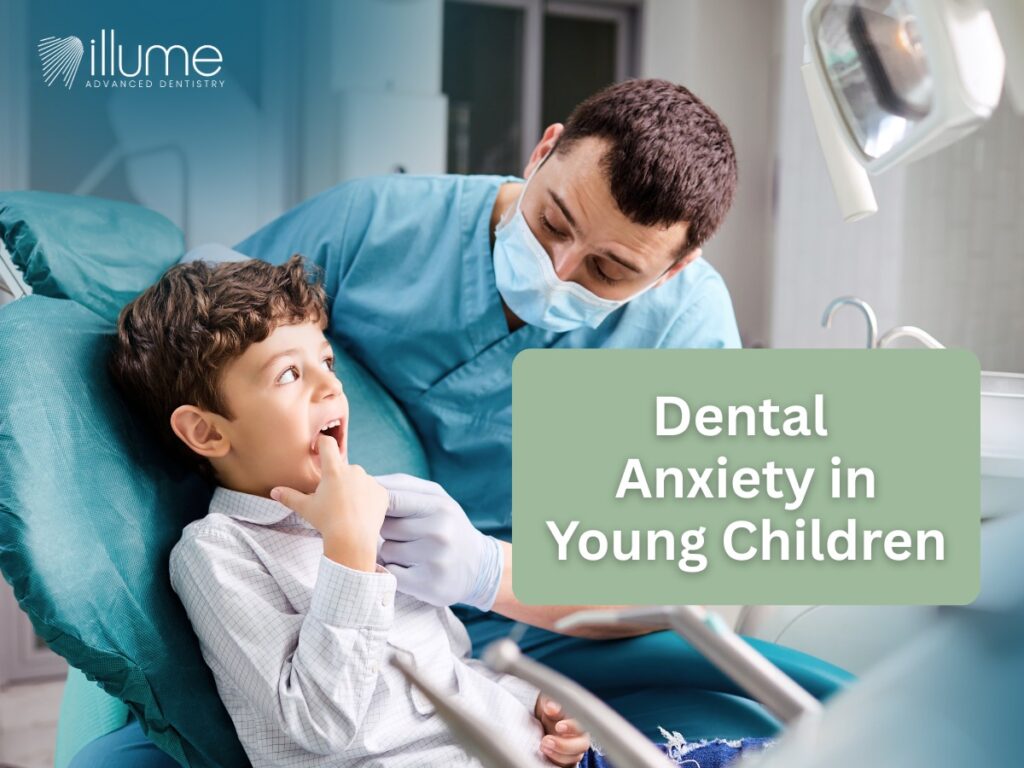
Dental visits can be stressful for many young children. Crying, refusing to sit in the dental chair, or fear of instruments are common signs of dental anxiety in children. While this anxiety is natural, it should be addressed early, as childhood dental experiences strongly influence lifelong oral health habits.
With the right approach, dental visits can become calm, positive, and even enjoyable. Both parents and dental professionals play an important role in helping children feel safe and confident.
Understanding Dental Anxiety in Children
Dental anxiety in children often arises from fear of the unknown. Unfamiliar sights, sounds, and sensations inside a dental clinic can feel overwhelming.
Contributing factors include:
– Previous negative medical or dental experiences
– Sensory sensitivity to noise or touch
– Anxiety expressed by parents or caregivers
– Stories heard from siblings, peers, or media
In kids dentistry, anxiety is viewed as communication rather than misbehaviour.
Why Early Dental Experiences Matter
Early dental visits shape how children perceive oral care throughout their lives. Positive early exposure builds trust and confidence.
How to Manage Dental Anxiety in Young Children
Start Dental Visits Early
Introduce dental visits by the first birthday or when the first tooth erupts.
Use Positive Language at Home
Avoid words like pain, needle, or drill.
Choose a Child-Friendly Dental Environment
Pediatric dental clinics focus on emotional comfort.
Allow Comfort and Familiarity
Let children bring a favourite toy or book.
Avoid Forcing Dental Treatment
Trust-building is more important than completing treatment.
Reinforce Positive Dental Experiences
Praise effort and bravery after visits.
Parents and Dentists Working Together
Managing dental anxiety requires collaboration between parents and pediatric dentists.
FAQs
1. At what age should a child first visit the dentist?
By the first birthday or first tooth.
2. Is dental anxiety common?
Yes, and it usually improves with gentle care.
3. How can parents prepare a child?
Stay positive and calm.
4. What if my child doesn’t cooperate?
Dentists slow down and build trust.
5. Are pediatric clinics different?
Yes, they use child-friendly techniques.
6. Can dental anxiety affect future oral health?
Yes, early positive visits prevent long-term issues.